Pregnancy is one of the most remarkable journeys a woman can experience — and one of the most detail-oriented. From the moment a positive test appears, questions start flooding in: How far along am I? When is my due date? What should I expect this week? Understanding how to calculate pregnancy weeks and track your progress safely can make the entire experience feel less overwhelming and more empowering.
Contents
How Pregnancy Weeks Are Counted
Many first-time mothers are surprised to learn that pregnancy is counted from the first day of the last menstrual period (LMP), not from conception. This is because ovulation typically occurs about two weeks after the period begins, and most women know their LMP date but not their exact ovulation date. Using LMP provides a consistent and reliable starting point. As a result, by the time pregnancy is confirmed around weeks 4–5, a woman is already considered several weeks along — even though the embryo is only a couple of weeks old biologically.
Total pregnancy duration: A full-term pregnancy is approximately 40 weeks, divided into three trimesters:
- First trimester: Weeks 1–12
- Second trimester: Weeks 13–26
- Third trimester: Weeks 27–40
Estimating Your Due Date
Your estimated due date (EDD) can be calculated using a simple formula known as Naegele’s Rule:
Take the first day of your LMP → Add 1 year → Subtract 3 months → Add 7 days
Example: If your last period started on September 10, 2024:
- Add 1 year → September 10, 2025
- Subtract 3 months → June 10, 2025
- Add 7 days → June 17, 2025
Online due date calculators and pregnancy tracking apps make this process even easier. However, keep in mind that the EDD is an estimate — only about 5% of babies are born on their exact due date. Most arrive within a two-week window on either side.
The Role of Ultrasound in Dating
While LMP is the starting point, an early ultrasound between weeks 8 and 12 gives a more accurate gestational age by measuring the crown-rump length (CRL). If the result differs from your LMP estimate by more than 5–7 days, your doctor may adjust the due date — which is perfectly normal.
Tracking Pregnancy Week by Week
Once you know how far along you are, week-by-week tracking becomes a helpful way to stay informed about your baby’s development and your own health needs.
Each week brings changes — both visible and invisible:
- Week 6: The baby’s heart begins to beat
- Week 12: All major organs have formed; risk of miscarriage drops significantly
- Week 20: Anatomy scan reveals detailed development; many parents learn the sex
- Week 28: The baby opens its eyes for the first time
- Week 36: The baby continues gaining weight and the lungs continue maturing; birth at this stage may still require medical monitoring.
Using a trusted resource to follow these milestones can help expectant mothers feel more connected to their pregnancy and better prepared for each prenatal appointment. The Faladha pregnancy guide offers clear, evidence-based information for mothers who want to understand each stage of pregnancy from a health-first perspective — particularly helpful for navigating the early weeks when so much is happening beneath the surface.
Prenatal Care: The Backbone of Safe Pregnancy Tracking
Regular prenatal visits are essential alongside home tracking. Appointments go from monthly (weeks 4–28), to every two weeks (weeks 28–36), to weekly (weeks 36–40), covering checks like blood pressure, urine, and fetal heartbeat. Never skip visits — complications like preeclampsia often show no early symptoms.
Symptoms to Monitor Closely
As pregnancy progresses, some discomforts are normal, but others require prompt medical attention. Know the difference.
Normal symptoms:
- Mild nausea, especially in the first trimester
- Breast tenderness and fatigue
- Light spotting in early pregnancy (implantation bleeding)
- Back pain and pelvic pressure in the third trimester
Warning signs — contact your doctor immediately:
- Heavy bleeding at any stage
- Severe abdominal pain or cramping
- Sudden swelling of the face, hands, or feet
- Decreased fetal movement after week 28
- Painful or burning urination (may indicate UTI)
- Persistent headaches or vision changes
Nutrition and Lifestyle During Pregnancy
Safe pregnancy tracking isn’t only about counting weeks — it’s also about supporting your body through every stage.
Key nutritional priorities:
- Folic acid (400–800 mcg/day): Critical in the first trimester to prevent neural tube defects
- Iron: Supports increased blood volume; found in lean meats, legumes, and leafy greens
- Calcium: Essential for fetal bone development; aim for 1,000 mg/day
- DHA (omega-3): Supports brain and eye development; found in fatty fish and supplements
Lifestyle recommendations:
- Stay hydrated — aim for 8–10 glasses of water daily
- Sleep on your left side in the second and third trimester to optimize blood flow
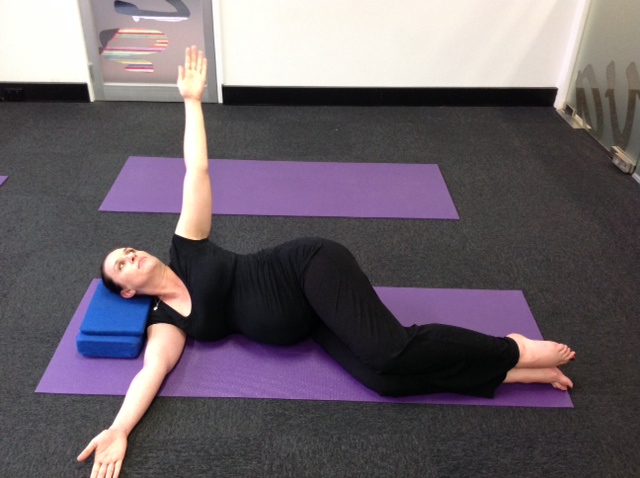
- Engage in gentle, approved exercise such as walking or prenatal yoga
- Avoid alcohol, smoking, and raw or undercooked foods
- Limit caffeine to under 200 mg per day (roughly one cup of coffee)
Mental and Emotional Wellbeing
Emotional health is just as important as physical health during pregnancy. Hormonal changes and anxiety affect many women, with 15–20% experiencing prenatal depression or anxiety. Talk to your provider about your feelings, and lean on family, friends, or a support group for help.
When to Seek Emergency Care
Certain situations require going to the emergency room rather than waiting for a scheduled appointment:
- Signs of preterm labor before 37 weeks (regular contractions, pelvic pressure, lower backache)
- Your water breaks, especially if the fluid is green or brown (may indicate meconium)
- Severe chest pain or difficulty breathing
- A fall or trauma to the abdomen
- Sudden vision loss or severe headache
Trust your instincts. If something feels seriously wrong, it is always better to be checked and reassured than to wait.
Final Thoughts
Tracking your pregnancy weeks may seem complicated at first, but it gets easier. Use your LMP date, confirm with an ultrasound, and keep up with prenatal visits. Stay informed, care for your body and mind, and cherish each week as a step closer to your baby.
Disclaimer: This article is for educational purposes only and should not replace professional medical advice. Pregnant women should always follow up with their healthcare provider.

Carl Clay is a health blog author who has been writing about nutrition, fitness and healthy living for over 10 years. He also loves to run, hike and bike with her wife.