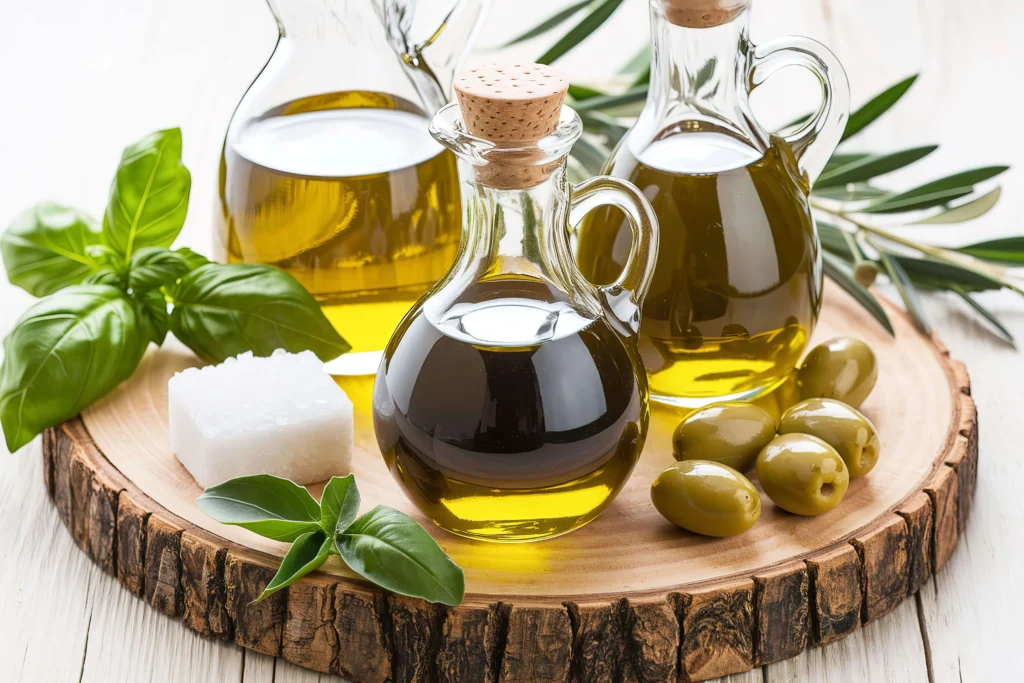
The term “cold pressed” appears on olive oil bottles across every price point in the UK market. From budget supermarket own-brands to premium artisan products, the claim is ubiquitous. The problem is that most consumers have no way of knowing whether the term means anything in a given context — or whether it is simply marketing language designed to suggest quality that the product does not actually deliver.
This guide explains what cold pressing actually means, why it matters for both flavour and nutrition, how to verify that an oil has genuinely been cold pressed, and what separates truly exceptional cold pressed olive oil UK from the vast majority of products carrying the label in the UK market today.
Contents
What Cold Pressing Actually Means
In traditional olive oil production, freshly harvested olives are crushed into a paste and then pressed to extract the oil. The key variable is temperature: the temperature at which the paste is processed before, during, and after pressing.
Cold pressing — or more precisely, cold extraction, as most modern mills use centrifuge technology rather than traditional stone pressing — means that the olive paste is processed at a temperature below 27°C throughout the extraction process. This threshold is defined by EU regulation and is the standard that must be met for an oil to legally carry the “cold pressed” or “cold extracted” designation.
Why does temperature matter? Because heat is the enemy of olive oil quality. The aromatic compounds, polyphenols, and volatile flavour molecules that give a high-quality extra virgin olive oil its character, complexity, and nutritional value are heat-sensitive. Even moderate heating — above 27°C — begins to degrade these compounds, reducing the oil’s flavour complexity and nutritional density.
At higher temperatures, the degradation is more severe. Industrial olive oil production often uses heat to increase yield — more oil can be extracted from a given quantity of olives with heat than without it. The trade-off is a product that is chemically and sensorially inferior, even if it still technically meets the criteria for extra virgin designation.
Genuine cold pressing preserves what makes a high-quality olive oil worth buying: the polyphenols, the volatile aromatics, the fresh, herbaceous, complex flavour that immediately distinguishes a real extra virgin olive oil from a commodity product.
Why the Label is Not Enough
Here is the challenge: the “cold pressed” label in the UK is not independently verified at point of sale. Any producer can print the claim on a bottle without being required to substantiate it through independent testing.
This means that the term, on its own, provides limited assurance of quality. It signals intent — but it does not guarantee delivery.
To verify genuine cold pressing, look for:
DOP or IGP certification: These designations require independent verification of production methods, including extraction temperature. A DOP-certified oil cannot carry claims it cannot substantiate.
Named mill and pressing date: Producers who genuinely cold press at their own mill are typically proud to name it and date the pressing. Anonymous supply chains hide behind generic claims.
Harvest date: Cold pressing is only meaningful when combined with prompt pressing after harvest. An oil cold-pressed six months after harvesting is a lesser product than one cold-pressed within hours, regardless of extraction temperature.
The Polyphenol Connection
Cold pressing and polyphenol content are directly related. Polyphenols — the bioactive compounds responsible for the characteristic bitterness and peppery sensation in fresh extra virgin olive oil, and for the health properties associated with Mediterranean diet research — are concentrated in the aqueous phase of the olive. Cold pressing maximises their transfer into the oil; heat and time reduce it.
A genuinely cold-pressed extra virgin olive oil from a high-polyphenol variety will have a characteristic flavour: a slight bitterness on the palate, a distinct peppery catch at the back of the throat, and a freshness and complexity that is immediately apparent. If an oil labelled “cold pressed” tastes flat, mild, and one-dimensional, that is a sensory indicator of a product that has been processed with less care than the label suggests.
Sicilian Cold Pressed EVOO: The Gold Standard
Among the regions producing cold-pressed extra virgin olive oil worthy of the designation, Sicily stands out. The island’s native olive varieties — particularly Biancolilla, Nocellara del Belice, and Cerasuola — produce oils of exceptional polyphenol content and flavour complexity when harvested and processed correctly.
The Biancolilla variety from the Caltanissetta region in central Sicily is particularly notable. It produces oils of unusual elegance — gently herbaceous, with notes of almond and fresh green tomato, and a characteristic peppery finish that confirms high polyphenol content. Harvested exclusively in November at peak ripeness, it must be cold-pressed within hours of leaving the tree at temperatures carefully controlled below 27°C to preserve its aromatic and nutritional integrity.
DOP and IGP Sicilia certification provides independent verification that every step of this process has been carried out correctly.
How to Use Cold Pressed Olive Oil in the UK Kitchen
One of the most common misconceptions about cold pressed extra virgin olive oil is that it should not be used for cooking — that it should be reserved exclusively for finishing dishes and salad dressings. This is not accurate.
A high-quality cold-pressed EVOO with good polyphenol content has a smoke point of approximately 190–210°C, making it perfectly suitable for sautéing, frying, and roasting at normal cooking temperatures. The polyphenols that give the oil its health properties are actually relatively stable at these temperatures — it is sustained high heat above 200°C that begins to degrade them significantly.
Use cold-pressed olive oil for everything: roasting vegetables, frying eggs, making dressings, finishing pasta, baking focaccia. It will improve the flavour of every dish it touches.
The Right Choice for UK Consumers
LAVERDE Artisan imports DOP-certified cold-pressed Biancolilla EVOO directly from multi-generation family producers in Caltanissetta, Sicily. Every bottle is harvested in November, cold-pressed within hours of picking, and independently certified. For anyone looking for genuinely exceptional cold pressed olive oil in the UK market, it represents the standard the term should stand for.
Carl Clay is a health blog author who has been writing about nutrition, fitness and healthy living for over 10 years. He also loves to run, hike and bike with her wife.