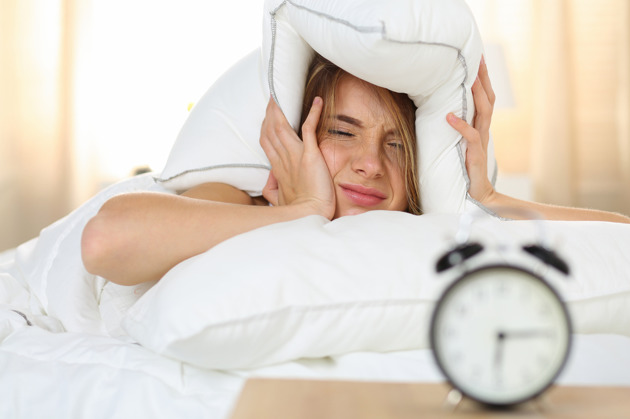
Is getting out of bed each morning a challenge of Herculean proportions? Do you drift through your days, feeling like you’ll fall asleep if you stop moving for more than a moment? If so, you’re not alone.
A surprising number of people suffer with tiredness and fatigue throughout the day, with many almost considering it a “normal” part of everyday life. But things don’t always have to be that way…

Speak to Your Doctor
If you feel continually run down the first step should always involve speaking to your local doctor. The reality is that while a medical cause is quite unusual, it is by no means impossible. Therefore, lest the feeling of ongoing fatigue is an indication of an unidentified medical issue, it makes sense to start by requesting a full health check.
Get Enough Sleep
It sounds obvious, but if you’re feeling tired during the day then a lack of sleep at night can be one of the most common causes. According to the CDC a third of us now sleep less than the recommended minimum of 7 hours per day. Worse, research has shown that getting 6 hours of sleep or less each night over an extended period of time dulls your cognitive abilities to the same level of two full nights without sleep. If this is you, then it’s little wonder you’re feeling tired all the time.
Oddly, scientific studies have found that many sleep deprived people don’t realize that they have been affected. Therefore just because you believe that you only need 6 hours sleep each night, you could be sorely mistaken. These same individuals, confident that they were “fine”, found in tests that their reactions were significantly dulled when compared to their results after a “proper” night’s sleep.
Interestingly, just being in bed for 7 hours or more isn’t enough to guarantee that you’ll you wake up feeling refreshed. Firstly, while 7 hours sleep is the average, many of us actually need far more sleep each night. We’re all individuals, and what works for one person won’t necessary be right for you.
Taking it to the extreme, one group of scientists encouraged a group of students to undergo a series of mental tests before being invited to sleep for as long as possible. On waking they were then asked to complete a similar test again to see how their results changed. The experts reported that “exceptional improvements” were seen in those people who succeeded in sleeping the longest between tests.
Another problem with assessing your sleep pattern is that it’s not just about the length of time you spend in bed, but also the quality of that sleep. For example, studies have shown that people suffering from sleep apnea typically wake up repeatedly throughout the night due to difficulties breathing.
At the same time, very few sufferers realize that this is happening during the night. They may awaken repeatedly, but aren’t consciously aware of the disturbance. Sleep apnea sufferers can therefore wake up in the morning after what they believe to be a “full” night’s sleep, while still feeling terrible. If getting out of bed in the morning is difficult for you, despite a reasonable number of hours asleep, then night-time issues could be playing a part – even if you’re not consciously aware of it.
There are two important considerations here therefore. Firstly, the right amount of sleep is the right amount of sleep for you. Try out spending different periods of time in bed for a few weeks and see what works best for your body. This should now become your “new norm”.
Secondly, invest some time into getting a better handle on the quality of your sleep. If necessary seek advice from a professional sleep doctor who may be identify issues with your sleep routine, or try using a device such as a Fitbit to monitor how much you move about while in bed. Even for sleep apnea sufferers there are solutions – such as CPAP machines – which can help you to avoid daytime grogginess resulting from poor sleep quality.
Eat a Balanced Diet
Your diet can have a far greater impact on feelings of wakefulness than you might realize. One study assessed pupils in the classroom, asking them to keep a food diary while reporting on how tired they felt at school. The results showed that students who ate more snacks and junk food tended to feel more tired overall, while more wholesome foods like vegetables and fish were associated with greater feelings of wakefulness.
There’s more. Researchers have discovered that both fats and carbohydrates in the diet seem to interact with your body’s fat stores, lulling us gently to sleep. Protein, in contrast, seems to have no sedative properties.
For greater alertness throughout the day, therefore, make protein a central part of your diet. While you don’t need to avoid fats and carbohydrates entirely, try to keep both nutrients to modest levels. For more-even blood sugar levels, focus your carbohydrate intake on slow-release energy sources like brown pasta and rice, and wholegrains. The temporary energy boost you might get from a candy bar or sugary drink will lead to a crash soon afterward, simply making matters worse.
Increase Your Activity Level
Exercise seems to be the answer to so many health-related issues. Unsurprisingly, therefore, studies show that physical activity can also affect how tired you feel. A widespread study on daytime fatigue found that “adults who are physically inactive… are at much higher risk of feeling fatigue than those who are physically active”.
Of course, when you suffer from daytime fatigue it can be difficult to motivate yourself to start exercising, but even the smallest of improvements can help. Consider starting off gently with a short walk before and/or after work. Over time, try to increase the distance or pace as your energy and fitness levels improve.
Shift the Weight
Scientists have long noticed that heavier people are more likely to suffer from feelings of tiredness than individuals with a healthy BMI. Fortunately, when you start eating a more balanced diet filled with lean protein sources and vegetables, and you begin to exercise more, it’s likely that you’ll naturally start to lose weight anyway.
As the pounds of fat come off, you should find moving around easier and more enjoyable, while requiring less energy. Just be sure to track macros carefully to produce a mild calorie deficit without robbing yourself

Carl Clay is a health blog author who has been writing about nutrition, fitness and healthy living for over 10 years. He also loves to run, hike and bike with her wife.