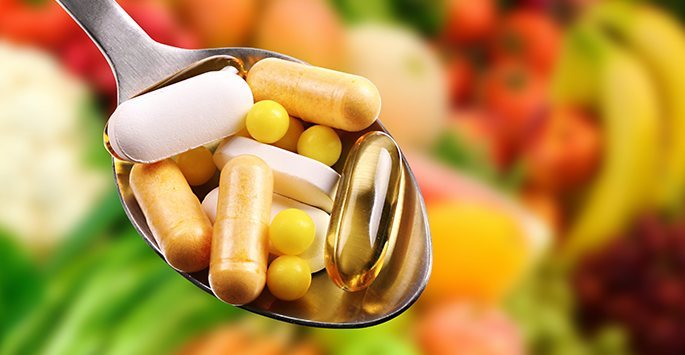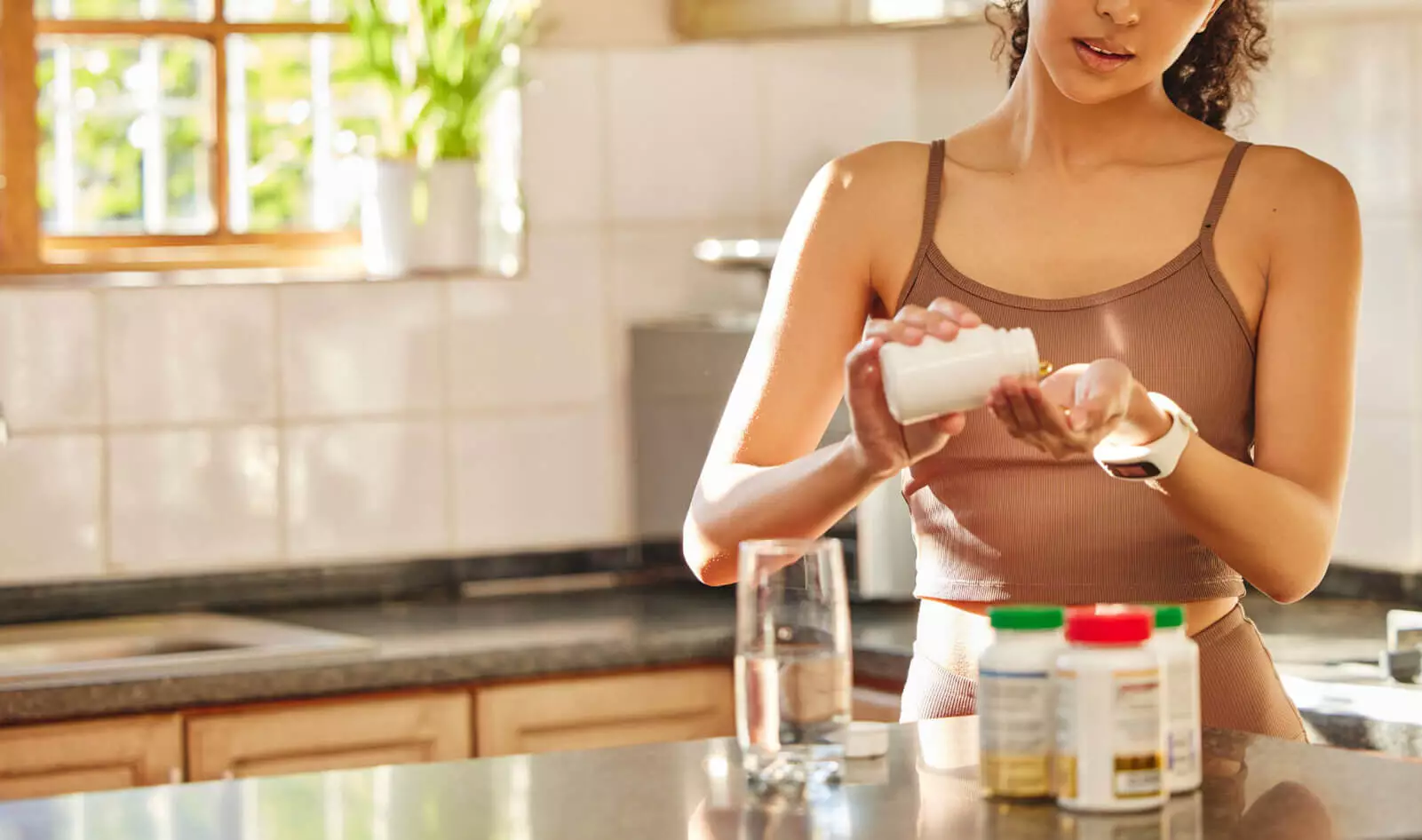
Every month, many women experience fatigue, cramps, bloating, mood swings, and other uncomfortable symptoms during their menstrual cycle. While a balanced diet and healthy lifestyle are important, certain supplements can help support women’s health during menstruation by replenishing lost nutrients, reducing pain, and maintaining hormonal balance.
Here is a detailed look at the top 8 supplements for menstrual health that can help make your monthly cycle more comfortable and manageable.

Contents
1. Iron: To Prevent Anemia and Fatigue
During menstruation, your body loses blood, which means a loss of iron, an important mineral that helps form red blood cells and carry oxygen throughout the body. Low iron levels can cause fatigue, dizziness, and weakness.
Dr. Sadhna Sharma, senior gynaecologist in Gurgaon at Miracles Apollo Cradle, says, “Many women experience low iron levels during their periods without realizing it. Including iron supplements and iron-rich foods in your diet not only helps prevent anemia but also keeps your energy levels stable throughout the menstrual cycle.”
Why is it important:
- Prevents anemia caused by blood loss.
- Boosts energy and improves focus.
Sources:
Iron supplements, along with iron-rich foods like spinach, lentils, and red meat.
Tip: Pair iron supplements with vitamin C-rich foods, such as orange juice, to enhance absorption.
2. Magnesium: To Ease Cramps and Mood Swings
Magnesium plays an important role in muscle relaxation and nerve function. It can help reduce menstrual cramps, irritability, and headaches by relaxing uterine muscles and balancing hormones.
Why is it important:
- Relieves menstrual pain and muscle tension.
- Reduces mood swings and anxiety.
- Supports better sleep.
Sources:
- Magnesium glycinate or citrate supplements, or foods like almonds, avocados, and dark chocolate.
Recommended dose: 200–400 mg per day (consult your doctor before use).
3. Vitamin B6: For Hormonal Balance and PMS Relief
Vitamin B6 helps in the production of serotonin, the “feel-good” hormone, which supports emotional balance and reduces premenstrual syndrome (PMS) symptoms like irritability, mood swings, and bloating.
Why is it important:
- Improves mood and reduces anxiety.
- Regulates hormones and fluid retention.
Sources:
Vitamin B6 supplements, or foods like bananas, chickpeas, and salmon.
Tip: Combine Vitamin B6 with magnesium for better relief from PMS symptoms.
4. Omega-3 Fatty Acids: To Reduce Inflammation and Pain
Omega-3 fatty acids have natural anti-inflammatory properties that can help reduce menstrual pain, bloating, and cramps. Studies show women who consume omega-3s experience milder symptoms during their periods.
Why is it important:
- Eases cramps and inflammation.
- Supports heart and brain health.
- Promotes hormonal balance.
Sources:
Fish oil capsules, flaxseed oil, or chia seeds.
Recommended dose: Around 1000 mg of EPA/DHA daily.
5. Calcium: To Soothe PMS Symptoms
Calcium levels often drop during menstruation, which can worsen PMS symptoms such as irritability, fatigue, and cramps. Taking a calcium supplement can help stabilize mood and muscle function.
Why is it important:
- Reduces cramps and muscle pain.
- Supports healthy bones and teeth.
- Improves mood during PMS.
Sources:
Calcium carbonate or citrate supplements, dairy products, tofu, and leafy greens.
Tip: Combine calcium with vitamin D for better absorption.
6. Vitamin D: To Support Hormonal and Bone Health
Vitamin D helps regulate calcium absorption and supports hormonal balance, both of which are crucial during menstruation. It can also improve mood and reduce the risk of PMS symptoms like fatigue and low energy.
Why is it important:
- Improves bone strength and immunity.
- Helps balance hormones and mood.
Sources:
Vitamin D supplements (D3 form), or natural sunlight exposure for 15–20 minutes a day.
Recommended dose: 600–1000 IU per day.
7. Zinc: For Healthy Reproductive Function
Zinc supports hormone production and immune health. It may help reduce the severity and duration of menstrual cramps and support healthy ovarian function.
Why is it important:
- Reduces cramps and bloating.
- Supports skin health and fertility.
- Boosts immunity.
Sources:
Zinc gluconate or citrate supplements, and foods like pumpkin seeds, lentils, and cashews.
Recommended dose: 8–12 mg per day.
8. Probiotics: For Digestive and Hormonal Balance
Hormonal changes during menstruation can sometimes cause bloating, constipation, or diarrhea. Probiotics help maintain gut health and support estrogen metabolism, which can make your cycle smoother.
Why is it important:
- Improves digestion and reduces bloating.
- Balances gut flora and hormones.
- Strengthens immunity.
Sources:
Probiotic supplements with Lactobacillus and Bifidobacterium strains, or foods like yogurt, kefir, and kimchi.
Additional Tips for a Healthier Menstrual Cycle
- Stay hydrated: Drink at least 9–10 glasses of water daily.
- Eat nutrient-rich foods: Include leafy greens, fruits, and whole grains.
- Exercise regularly: Light yoga or walking can improve blood flow and reduce cramps.
- Avoid caffeine and processed foods: These can worsen bloating and mood swings.
When to Consult a Doctor
If you experience severe menstrual pain, heavy bleeding, or persistent fatigue, consult your gynae doctor. Sometimes, these symptoms may indicate underlying conditions such as PCOD, endometriosis, or hormonal imbalance. Your doctor can recommend the right supplements and dosage for your needs.
Conclusion:
Supplements can play a valuable role in supporting women’s health during menstruation. From iron and magnesium to probiotics and omega-3s, each nutrient helps manage specific symptoms, ensuring you feel stronger, balanced, and more comfortable every month. If you are experiencing painful periods or need personalized advice on supplements and nutrition, consult the best gynae near you at Miracles Healthcare Gurgaon. Our team of experienced gynecologists offer expert menstrual care, hormonal evaluation, and tailored treatment plans to help you feel your best every month.

Carl Clay is a health blog author who has been writing about nutrition, fitness and healthy living for over 10 years. He also loves to run, hike and bike with her wife.